
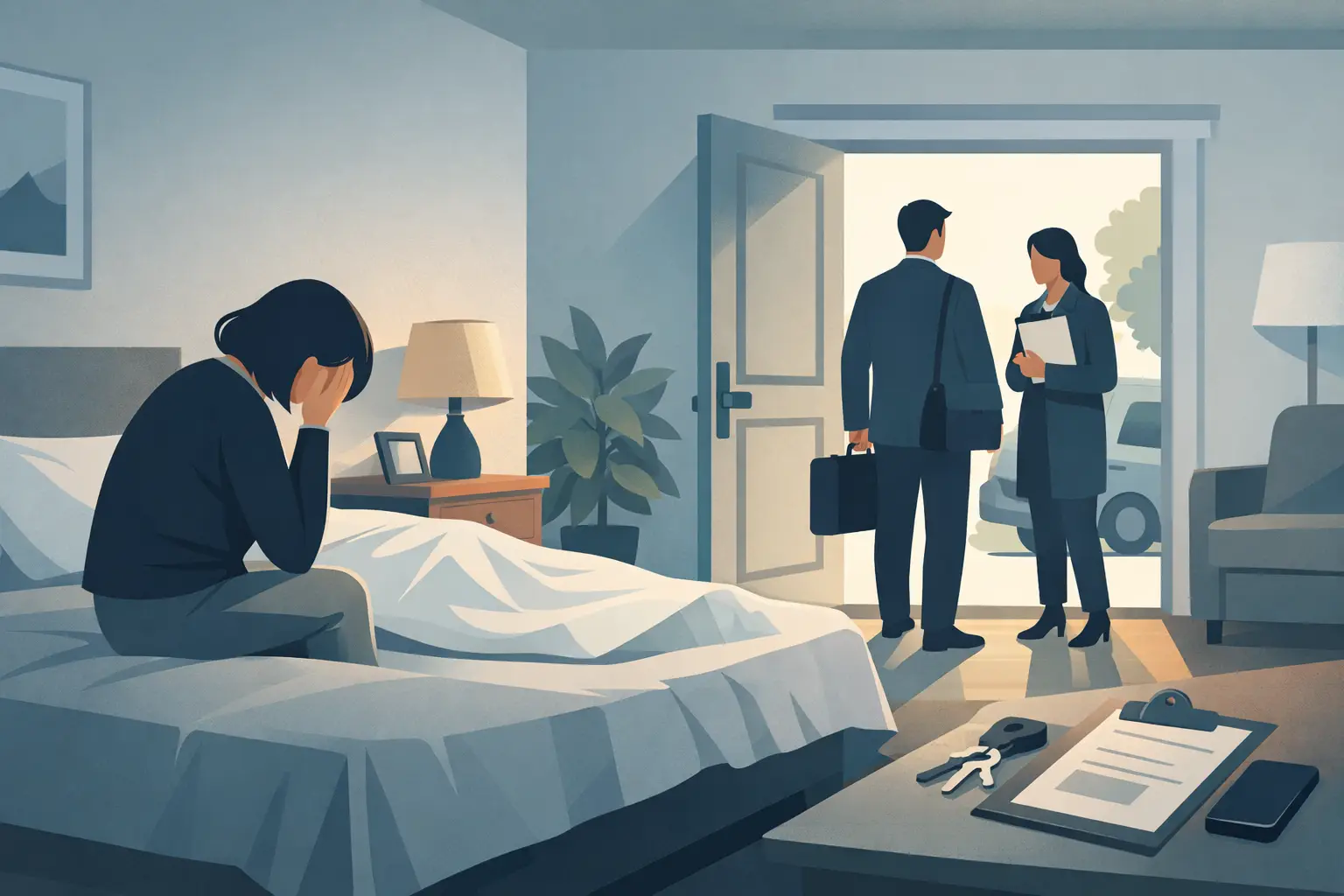
What to Do After Death at Home
When someone dies at home, the first few minutes can feel unreal. Even if the death was expected, it is hard to think clearly. Knowing what to do after death at home can ease some of that immediate pressure and help you take the next step with confidence.
If you are with the person and believe they have died, pause and take a breath. You do not need to do everything at once. What happens next depends mainly on whether the death was expected and whether a doctor has been involved in the person’s care.
What to do after death at home if the death was expected
If the person was receiving end of life care, or their death was expected because of illness, the usual first step is to contact the GP surgery, district nurse, hospice team, or the out-of-hours medical service involved in their care. A healthcare professional will need to attend and confirm the death.
In many cases, families have already been told who to call when the time comes. If a nurse or hospice team has been visiting, they may be the quickest and most appropriate point of contact. If it happens overnight, at a weekend, or on a bank holiday, the out-of-hours number provided by the care team is often the right route.
Once the death has been verified, you can contact a funeral director to bring the person into their care. Some families prefer to spend a little time at home first. That is entirely understandable. There is no need to feel rushed, provided the necessary medical steps have begun and you have clear guidance.
What to do after death at home if the death was unexpected
If the death was sudden, unexplained, or the person was not under a doctor’s care for a known illness, call 999. This can feel alarming, but it is the right step. The ambulance service and, in some situations, the police may need to attend.
An unexpected death at home is usually referred to the coroner. That does not automatically mean anything suspicious has happened. It simply means the cause of death is not yet clear enough for a doctor to issue the paperwork in the normal way. In these cases, there may be delays before funeral arrangements can move forward, and a post-mortem may be required.
This is one of the points where families often feel caught between grief and procedure. A good funeral director can explain what can happen now, what may need to wait, and how the coroner’s process affects timing.
Who to call first
The right call depends on the circumstances, but the order is usually straightforward. If the death was expected, contact the healthcare professional responsible for the person’s care. If it was unexpected, call 999. After that, contact the family members or close friends who need to know, and then speak to a funeral director when you are ready.
If you are unsure, ask. This is not a moment for guesswork. Even one calm conversation with the right professional can make the situation feel more manageable.
Many families also worry about whether they should move the person, wash them, or change their clothing. Unless you have been advised otherwise and feel comfortable doing so, it is usually best to wait until a healthcare professional has attended. After that, some families wish to spend quiet time with their relative at home, while others prefer the funeral director to attend as soon as possible. There is no single correct choice.
The paperwork after a death at home
The practical side begins with medical certification and registration. In England and Wales, a doctor or the coroner’s office will advise what happens next. If the death was expected and the cause is known, the medical certificate of cause of death is usually arranged through the GP or hospital doctor. You will then need to register the death, usually within five days, unless the coroner is involved.
The register office will issue the documents needed for the funeral and for dealing with banks, pensions, and other organisations. Many people find this part daunting, especially if it is their first time arranging a funeral. It helps to take it one stage at a time. You do not need to solve every practical issue on the first day.
If the coroner is involved, the timetable can be different. Registration may be delayed until their enquiries are complete. That can be upsetting when a family wants certainty, but it is a normal part of the legal process in some deaths at home.
When to contact a funeral director
You can contact a funeral director as soon as death has been verified, or earlier if you want immediate guidance. For many families, that call is not just about transport. It is about having someone steady on the line who can explain what happens now.
A funeral director can arrange to bring the person into care, guide you on registration and certificates, and talk through the kind of funeral that would feel right. That may be a burial, a cremation, a religious service, a non-religious ceremony, a simple direct cremation, or something more personalised.
In South London, families often want support that is both compassionate and practical. Clear pricing matters. So does having someone who will handle the details properly, from chapel of rest arrangements to vehicles, flowers, notices, and the timing of the day itself. If there are specific wishes around faith, culture, sexuality, or environmental values, it helps to raise them early so the arrangements reflect the person fully and respectfully.
What you can do in the first few hours
The first hours after a death at home are rarely tidy or calm. Some people want relatives around them straight away. Others need a little quiet before making calls. Both reactions are normal.
If it helps, keep your focus narrow. Make the necessary medical call. Let one or two key family members know. Find any notes about funeral wishes, if they exist, but do not worry if nothing has been written down. Many families arrange a meaningful funeral without a formal plan.
It may also help to gather basic details in one place, such as the person’s full name, date of birth, NHS number if you have it, GP details, and any hospital or hospice contacts. You may not need all of this immediately, but it can make later conversations easier.
Try not to feel pressured into decisions before you are ready. Some choices do need prompt action, but many do not. The type of coffin, wording of notices, music, flowers, memorials, and even the timing of the ceremony can usually be discussed after the immediate formalities are underway.
Common worries families have
One common fear is getting something wrong. In reality, professionals involved in end of life care, registration, and funerals are used to guiding people through these steps. You are not expected to know the system already.
Another worry is cost. Funeral costs vary widely depending on the choices made, and families deserve transparency from the outset. A clear explanation of essential costs and optional extras can remove a great deal of anxiety at a time when emotions are already high.
Timing is another concern. If family members need to travel, if there is a coroner’s delay, or if someone wishes to be repatriated abroad, arrangements can take longer. That does not mean things are going wrong. It simply means the funeral needs to be planned around legal, logistical, and family realities.
Support matters as much as procedure
What to do after death at home is partly a question of process, but it is also a question of care. Families need accurate advice, but they also need patience, dignity, and room to grieve in their own way.
That is especially true when relationships are complex. The next of kin may not be the only person deeply affected. Blended families, LGBTQ+ families, close friends, neighbours, and carers can all be central to what happens after a death. A respectful funeral service should make space for those realities rather than forcing every family into the same mould.
For some, a simple and quiet funeral feels right. For others, there is comfort in a fuller ceremony with music, flowers, transport, and time for everyone to gather. Neither is more caring than the other. The right decision is the one that reflects the person who has died and the people left behind.
If you need immediate support, it is sensible to contact a funeral director at any time of the day or night. Adrian Moore Funerals supports families across Catford and the wider South London area with practical guidance from the first call onward, helping with both urgent next steps and the arrangements that follow.
In the first hours after a death at home, you do not need all the answers. You only need the next right step, and someone trustworthy to help you with the one after that.
