
What Is a Chapel of Rest?
When someone dies, families are often asked questions they were not expecting to answer so soon. One of them may be, what is a chapel of rest? If you have never arranged a funeral before, the term can sound formal and unfamiliar. In practice, it simply refers to a private, peaceful space where a person who has died is cared for before the funeral, and where family and close friends may be able to spend time with them.
For many people in Catford and across South London, understanding this part of the process brings a little more certainty at a difficult time. A chapel of rest is not something every family will use in the same way, but it can offer comfort, a sense of closeness, and the chance to say goodbye in your own time.
What is a chapel of rest and what is it for?
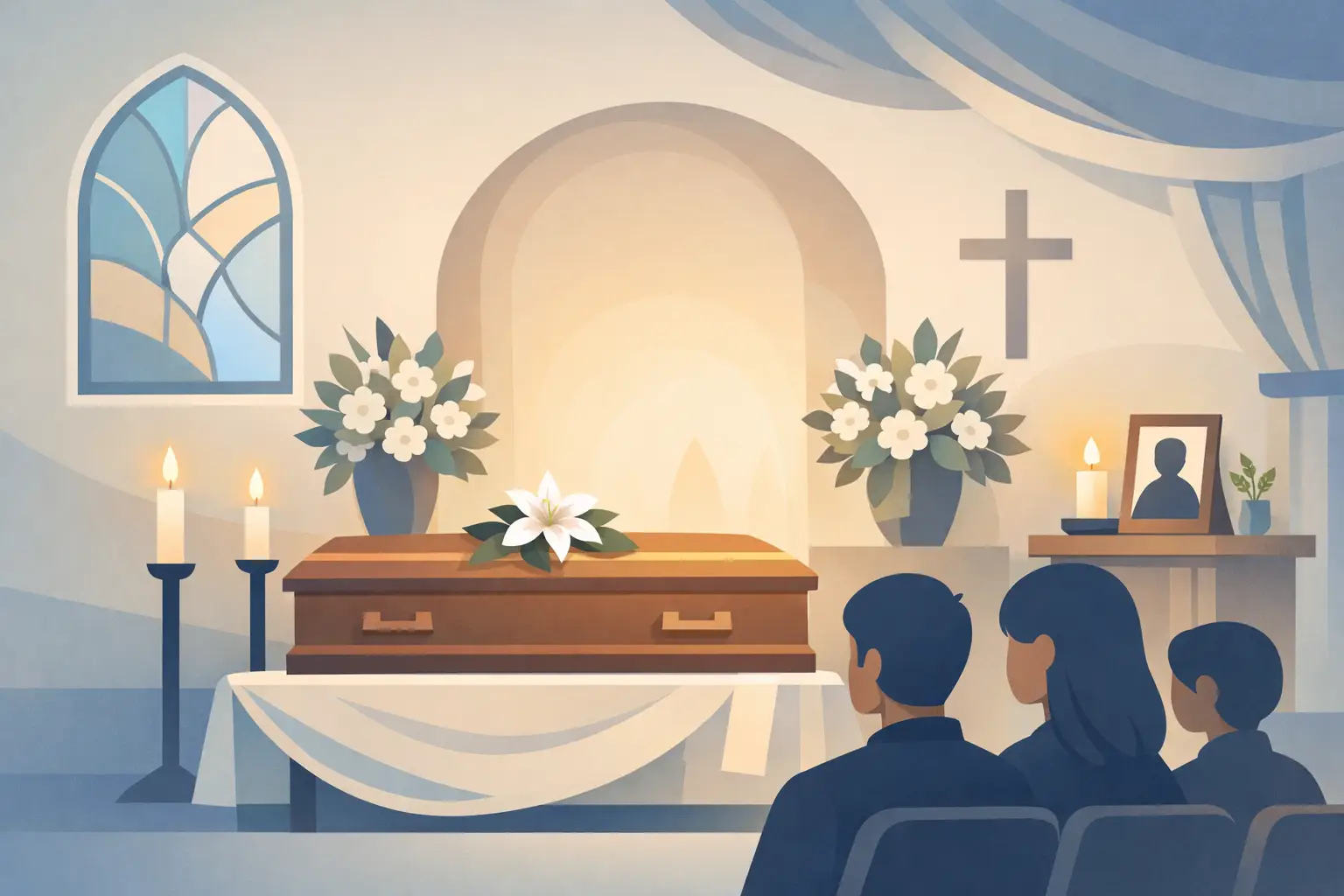
A chapel of rest is a dedicated room or suite within a funeral director’s premises where the deceased is cared for with dignity before the funeral takes place. Despite the word chapel, it is not always a religious space. Some are designed with a traditional appearance, while others are simple, calm and non-religious. The purpose is the same – to provide a respectful setting for care and, where appropriate, family visits.
The room is usually arranged to feel quiet and private rather than clinical. Families may spend a few moments there, or longer if that is permitted and feels right for them. In some cases, it can help make a death feel more real. In others, it offers reassurance that their loved one is safe, settled and being looked after properly.
Not every family chooses to visit a chapel of rest, and that is entirely all right. Some people find comfort in seeing the person again. Others prefer to hold on to memories from life rather than after death. There is no correct response, only what feels manageable and appropriate for you and your family.
How a chapel of rest fits into funeral arrangements
After a death, the person who has died is brought into the care of a funeral director once the necessary steps have been taken. From there, they are usually cared for in dedicated facilities until the day of the funeral. The chapel of rest is part of that period of care.
This means it is not a public viewing space that anyone can attend without arrangement. Visits are normally organised in advance, with clear guidance about times, privacy and who may be present. Funeral directors will also explain whether viewing is advisable, particularly if the death was recent, unexpected, or involved medical circumstances that may affect appearance.
Families sometimes assume there is a single standard process, but there is not. It depends on the condition of the deceased, the wishes of the family, the timing of the funeral, and the facilities available. A good funeral director will speak plainly and sensitively so that you know what to expect before making any decision.
What happens when you visit?
A visit to a chapel of rest is usually quiet, private and led at your pace. On arrival, a member of the funeral team will explain what will happen and answer any concerns you may have. If you are uncertain about going in, you should never be rushed.
In many cases, your loved one will be presented peacefully in a coffin or on a bed, depending on the arrangements and the facilities. They may be dressed in clothes chosen by the family, or in a gown provided as part of the funeral director’s care. Sometimes personal items, letters or small keepsakes can be placed with them, although this should always be discussed first.
Some families wish to say prayers, sit in silence, play music quietly, or simply spend a moment together. Others find that even a brief visit is enough. Children can sometimes attend, but it depends on their age, understanding and whether the adults around them feel it would help rather than distress them. Gentle preparation matters.
Is a chapel of rest always religious?
No. This is one of the most common misunderstandings.
The word chapel has remained in use because of tradition, but modern chapels of rest can serve families of any faith or no faith at all. They may be suitable for Christian, Muslim, Hindu, Sikh, Jewish and humanist families, as well as for those who do not follow a particular belief system. What matters is whether the space and the care around it can reflect the person’s wishes and the family’s needs.
For some, that may mean including prayers or religious symbols. For others, it may mean keeping the room neutral and simple. Inclusive funeral care should leave room for both. The same applies to LGBTQ+ families, blended families and those whose relationships may not fit a narrow idea of next of kin. Respect should extend to everyone who is grieving.
Do you have to use a chapel of rest?
No, and many families are relieved to hear that.
Choosing whether to visit is a personal decision, not an obligation. Some people feel strongly that they want to spend time with their loved one before the funeral. Others prefer not to. There can also be practical reasons why a visit may not take place, such as timing, medical considerations, or specific religious customs around burial.
If you are unsure, it can help to talk honestly with your funeral director about what you are hoping for. Some families want a final goodbye. Others want reassurance about care. Others simply want to know that the option is there. It is better to ask than to feel you have missed a choice that mattered to you.
Questions families often ask about a chapel of rest
Can anyone visit?
Usually, visits are by arrangement and limited to close family or others approved by the person organising the funeral. This protects privacy and ensures the setting remains calm and respectful.
Will my loved one look peaceful?
Often, yes, but it depends on the circumstances of the death and what preparation is possible. A funeral director should be honest with you if viewing may be distressing, and should never present it as something you must do.
Can we bring flowers or personal items?
Sometimes, yes. Small items, cards or photographs may be possible, but it depends on the arrangements and whether the item can safely remain with the deceased.
Is there an extra cost?
This varies between funeral directors. Some include chapel of rest visits within their professional fees, while others charge separately, particularly for extended visits or special arrangements. Clear pricing matters, especially when families are making decisions under pressure.
Why this part of the process can matter so much
A chapel of rest is not only about seeing someone who has died. For many families, it is about creating a pause before the practical demands of the funeral take over. There is paperwork to complete, decisions to make, people to inform and costs to consider. In the middle of all that, the chance to sit quietly with the person can feel grounding.
That said, it does not help everyone. Grief is deeply individual. Some people find comfort in physical presence. Others find it too painful, or simply not how they want to remember the person. A compassionate funeral director will understand both responses without judgement.
Where there are complicated family dynamics, the chapel of rest can also require careful handling. Questions about who visits, when, and with whom may need to be managed sensitively. This is another reason why personal, director-led support makes such a difference. Families need calm guidance, not a process that feels impersonal.
Choosing a funeral director that explains things clearly
When you are arranging a funeral, the chapel of rest is only one part of a much larger picture. You may also be dealing with registration, collection of the deceased, service planning, burial or cremation choices, vehicles, flowers, notices and memorials. During that time, clear explanations are invaluable.
A funeral director should tell you what a chapel of rest is, whether viewing is possible, what the setting is like, and whether there are any costs involved. They should also be transparent if a visit may not be advisable. Sensitivity matters, but so does honesty.
At Adrian Moore Funerals, that approach is part of helping families feel supported every step of the way. When people come to us from Catford, Lewisham, Sydenham, Bromley and the wider South London area, they are often balancing grief with urgent practical decisions. What they need is steady guidance, respectful care and the confidence to ask any question, however small it may seem.
If you are asking what is a chapel of rest, you are asking a very human question at a very difficult time. The right answer is not only a definition. It is the reassurance that you can take this one step at a time, with care that respects your loved one and leaves room for your own way of saying goodbye.
