
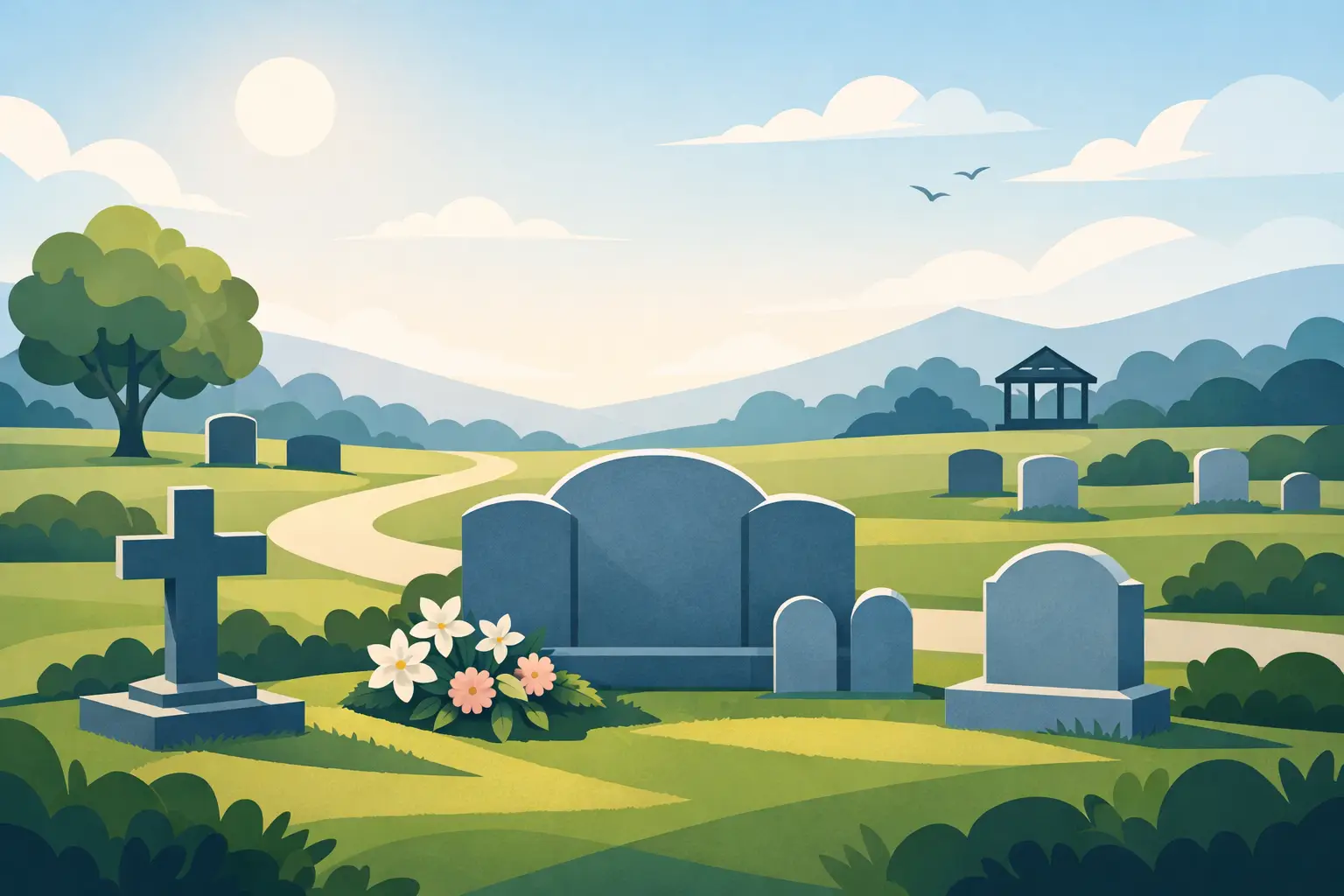
A Guide to Burial Plots for Families
Choosing a burial plot often comes at a time when decisions need to be made quickly, emotions are high, and every form or fee can feel heavier than it should. This guide to burial plots is designed to make that part of the process clearer, so you can make informed choices with confidence and give your loved one a respectful resting place that feels right for them and for your family.
For many families, the first surprise is that a burial plot is not simply a space in the ground with one standard price. The type of grave, the cemetery’s rules, whether the person lived in the borough, and whether you are arranging a burial now or planning ahead all affect what is available and what it will cost. Some families know straight away that burial is the right choice. Others are balancing practical matters such as location, faith, visiting arrangements, or long-term memorial plans.
What a burial plot actually is
A burial plot is the grave space within a cemetery where a coffin, and in some cases cremated remains, may be interred. In most cases, what is purchased is not the land itself but the Exclusive Right of Burial for a set period. That right allows the registered owner to decide who may be buried in the grave and whether a memorial can be placed there, subject to cemetery regulations.
This distinction matters. Families are often understandably upset to learn that buying a plot does not mean owning the land forever in the way people think of property ownership. Instead, the right is usually granted for a number of years, commonly 25, 50, 75 or 100 depending on the cemetery. It may later be renewed, but the terms vary.
Guide to burial plots: the main types
The right plot depends on family wishes, budget, and the rules of the cemetery involved. Not every cemetery offers every option, and availability can be limited in South London and surrounding areas.
Lawn graves
A lawn grave is one of the most common options in modern cemeteries. These usually allow for a headstone at one end while the rest of the grave is kept as lawn for easier maintenance. Families who want a neat, orderly setting often prefer this choice. The trade-off is that personalisation may be more restricted than in older sections of a cemetery.
Traditional graves
Traditional graves may allow a fuller memorial, kerbs, chippings or planting, depending on the cemetery rules. Some families value that extra freedom because it offers more visible personal tribute. The practical point to check is ongoing upkeep, as larger memorial areas can require more maintenance and may be subject to tighter regulations over time.
Family graves
A family grave is intended for more than one burial, usually at different depths over a period of years. This can be a comforting option where families want to be together in one place. It can also be more economical in the long term, though the initial purchase and future interment fees still need to be considered carefully.
Public or common graves
A public grave is shared and is usually arranged by the burial authority rather than purchased with exclusive rights. This is sometimes chosen for cost reasons. It is a valid option, but families should understand that control over who else may be buried there, and memorial rights, are usually limited or not available.
Natural burial plots
Natural burial grounds focus on an environmentally conscious approach. Rules may require biodegradable coffins or shrouds and may restrict traditional memorials. For families who want a simpler return to nature, this can feel deeply fitting. It does, however, depend on location, availability, and whether the family is comfortable with a less conventional form of memorialisation.
How burial plot costs work
One of the most difficult parts of arranging a funeral is understanding the layers of cost. With burial plots, there are usually several separate charges rather than one single fee.
First, there is the purchase of the Exclusive Right of Burial, where applicable. Then there is the interment fee, which covers opening and closing the grave for the burial itself. After that, there may be fees for memorial permits, headstone installation, inscriptions, and future additional burials if the grave is to be used again.
Local residency can make a considerable difference. Many councils charge higher fees for people who did not live within the borough or parish. In and around South London, that difference can be substantial. It is also common for weekend burials, larger graves, or specific sections of a cemetery to carry additional charges.
If you are planning ahead, it is wise to ask not only what the plot costs now, but also what fees may still apply later. Buying the grave right in advance does not always lock in every future burial cost.
Questions to ask before choosing a plot
A careful conversation with the cemetery or funeral director can prevent difficulties later. Families are often relieved once they know what to ask.
Start with availability. Some cemeteries have very limited new grave spaces, especially in established urban areas. If a particular cemetery is important because of family history, religion, or ease of visiting, it is worth checking early.
Then ask about grave depth and future use. If the family hopes to reserve the grave for more than one burial, this needs to be agreed from the outset. Not every plot can accommodate that.
It is also sensible to ask about memorial rules. Headstone sizes, materials, photographs, ornaments, planting and kerbs may all be regulated. A family may picture one kind of tribute and then find the cemetery only permits another.
Finally, ask what happens when the grant period ends, how transfers of ownership are handled, and what documents will be needed if the registered owner dies. These issues may feel distant on the day of arrangement, but they often become very important years later.
Burial plots and faith, culture, and personal wishes
A burial decision is rarely just practical. For many families it is closely tied to belief, identity and tradition. Some faiths have clear expectations around burial timescales, direction of burial, or whether a grave may be reused. Others may place strong importance on burial in consecrated ground.
For some people, personal values shape the decision more than religion. An LGBTQ+ family may want reassurance that every aspect of the funeral and burial will be handled with respect and without assumptions. An environmentally minded person may have made clear that they want natural burial options considered. Where family members hold different views, the best decision is often the one that reflects the wishes of the person who has died as closely as possible, while remaining workable for those arranging the funeral.
Planning ahead versus arranging after a death
When burial plots are chosen in advance, families usually have more time to compare cemeteries, consider costs, and discuss long-term wishes calmly. That can remove a great deal of pressure later. It also allows the person planning ahead to make their own preferences known clearly.
When a death has already occurred, the pace is different. There may be legal paperwork, deadlines from the cemetery, and family members needing answers straight away. In those moments, clear guidance matters. A funeral director can help coordinate paperwork, booking, transport, clergy or celebrant arrangements, and communication with the cemetery so the family is not left managing each part alone.
For families in Catford and the wider South London area, local knowledge can make a real difference. Cemetery availability, borough fees, appointment systems and local procedures are not always straightforward, and they do vary.
Common misunderstandings about burial plots
One common misunderstanding is that the nearest cemetery will always have space. In reality, availability can be limited, particularly for new graves. Another is that once a plot is bought, all future costs are settled. Often they are not.
Families also sometimes assume that any memorial style will be allowed if they have purchased the grave right. Cemetery regulations still apply. And where an existing family grave is involved, people may discover that the person who legally owns the burial rights is not the same as the next of kin arranging the funeral. That can delay arrangements if the paperwork is not in order.
None of this is meant to make the process feel daunting. It is simply the reason clear advice matters. Burial is one of the most meaningful decisions a family makes, and it deserves time, explanation and honesty about the options.
If you are trying to choose a plot now, or thinking ahead for the future, it helps to speak to someone who can explain the practicalities as well as the sensitivities. At Adrian Moore Funerals, families are supported every step of the way with clear guidance, transparent information and respectful care. If you need help urgently, contact us any time of the day or night. A calm conversation can often make the next step feel much more manageable.
